
Archive for February, 2012

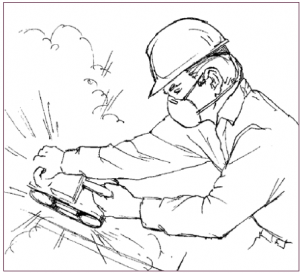
New options for respirator resources

February 28, 2012

From WorkSafeBC

A contact on Twitter posted a link to these new OSHA Respiratory Protection Videos in English and Spanish. Topics include respirator use, training, fit-testing, detecting counterfeit respirators, and OSHA’s Respiratory Standard – and all are also on the US Department of Labour’s YouTube channel.

WorkSafeBC recently published a new series of Respiratory Protection info sheets you can use for worker orientation, crew talks and for posting on bulletin boards at the job site. They cover how to select, use, and maintain respiratory protection.

Breathe Safer: How to use a respirator safely is a booklet – also from WorkSafeBC – available for download online. It covers British Columbia’s regulations on breathing hazards and control options.

“Air contaminants and oxygen deficiency can affect your health in many ways. Some breathing hazards are life-threatening. Other hazards cause minor health problems,” reads Breathe Safer. “A hazard may have health effects after a short period of exposure or a long period, or both. Workers may not be aware of any health effects while they are exposed to certain contaminants, but the contaminants can still have serious long-term effects.”

Another resource is OSH Answers – Respiratory Care from the Canadian Centre for Occupational Safety and Health.

Any suggestions?

Do you have any links to respirator training info online? Do share!

Dichotic listening on the job

February 23, 2012

Image: isamizdat on Flickr

“Dichotic listening” is a term that describes what we do in a noisy environment, like a cocktail party, where there are multiple conversations happening at once.

“Listeners are generally able to focus on one conversation and pretty much ignore the din in the room,” said a former call centre agent at an online dating company. “But if a key word or phrase is overheard across the din – like the person’s name, or maybe a dirty word – the listener might take notice.”

He researched dichotic listening when he and his coworkers started getting headaches after a few hours of listening to voicemail messages – two at a time – screening for banned words.

“The dichotic listening in the call centre where I worked was much more intense than a cocktail party. We were required to listen to two headsets at the same time – one on each ear, monitoring two different phone lines – and we had to respond separately to each one,” he wrote. “While it wasn’t physically harmful to the ears – like loud noises – it started giving agents chronic headaches after listening to two different sources for eight-hour shifts.”

Workers reported their complaints to management, who did not listen, so they eventually contacted WorkSafeBC to investigate. The call centre was required to stop the practice, and soon after, the company laid off local agents and hired an overseas call centre.

Ask an audiologist

I contacted my audiologist friend to get her take on the story.

Tokyo cocktail party, 1961. Photo credit: takomabibelot on Flickr

“Our brains are designed to pay attention to one auditory signal at a time. We can hear many at a time, but really only focus on one,” said Dr. Tracey Demmon, an audiologist in Washington State.

“Performing a dichotic listening task is not harmful, but can be very taxing on the brain, thus causing headaches from all the strain. Trying to focus on two at the same time can be exhausting. And, if we are required to perform an additional motor task such as typing what we heard, that takes extra energy… Dichotic listening can be stressful and cause headaches or even other physical ailments if required for too long.

“FYI, I have not researched the correlation between dichotic listening and headaches. But, I do know that the strain from even a mild hearing loss can cause headaches, even focusing too much on a game on the small screen of your mobile phone can cause headaches – it’s due to the excess energy required of our brains to process the information,” she wrote.

Concerned about your health and safety at work?

Workers – like the call centre agents – can call the WorkSafeBC Prevention Line at 604-276-3100 in the Lower Mainland or 1-888-621-7233 toll-free elsewhere in BC.

Stopping excavators from damaging gas lines

February 21, 2012

Photo credit: Eira M on Flickr

They did everything they were supposed to do – but something unexpected happened. An excavation crew hit and ruptured a gas line while replacing a water main in Coquitlam. More than 100 people were evacuated, buses were re-routed, and roads were closed.
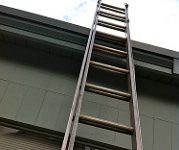
The first question that came to mind, when I heard about it on CBC radio, was “Did they call first?” Did they get in touch with BC One Call – the province-wide non-profit organization that urges people to “call before you dig”?

As it turns out, they did call first.

“They did have the current information on site from BC One Call and they were using mechanized equipment within an appropriate distance from our pipelines,” said FortisBC spokesperson Kirsten Walker, quoted in this story in the Coquitlam Now.

“This particular pipeline is approximately 40 years in age. What we know is that it’s not on our mapping records… Really, it is a rare situation. Only less than one percent of our pipeline damages occur because of incorrect mapping records.”

From the Common Ground Alliance website

Keeping track of what’s underground

I emailed Kirsten to find out more. She said almost 99 percent of pipeline damages related to construction activity result from two key factors: either they didn’t phone BC One Call for the location of gas lines, or they didn’t follow safe excavation practices.

“It should be remembered that excavators dig around gas pipelines every day and the majority of them follow safe digging practices. These operators should be commended for their good practices,” Kirsten said via email, adding that these type of incidents are on the decline in BC. “This decrease can be attributed to a greater awareness of safe excavation practices and an increase in the use of BC One Call.”

BC has seen an overall decline in the number of third-party pipeline damages related to construction activity – with about 1,200 incidents in 2011, down from about 1,400 in 2009 and 2010.

Numbers still too high

Despite the improvements, there’s more work to be done. The BC Common Ground Alliance (which FortisBC is a founding member of) is a non-profit organization that tracks damage incidents and their primary causes. They see if the number of incidents is going up or down, and they look at why some educational campaigns for industry are more successful than others.

One such campaign is DigSafeBC, a travelling one-day seminar that “teaches construction workers, contractors, landscapers, irrigation technicians, railway workers, road crews, city workers, and anyone else who digs, how to avoid buried pipelines, cables, and other underground infrastructure,” reads the Alliance website.

More resources

In Metro Vancouver, call BC One Call at 604-257-1940. Elsewhere in BC, call toll-free 1-800-474-6886, or key *6886 on Telus & Rogers cell networks. You can also submit an e-ticket.

For more information on preventing contact with gas lines and other utilities, see WorkSafeBC’s publication Prevention of Damage to Buried Facilities in British Columbia (PDF 340kb).

Clearance letter app speeds pre-project paperwork

February 16, 2012

Photo credit: Janelle on Flickr

Mike McKenna – executive director of the BC Construction Safety Alliance – gave the thumbs-up to a new app that lets employers and homeowners request clearance letters from WorkSafeBC via smart phone.
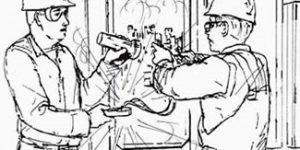
“This new app is of real benefit from a construction safety perspective because it allows the purchasers of construction services – like general contractors, business owners undertaking renovations, and residential home owners – to quickly determine if a contractor is registered with WorkSafeBC,” said Mike, whose organization serves more than 35,000 BC construction companies with 180,000+ workers.

“It demonstrates to the purchaser that the contractors’ workers are protected in the event they are injured on the job. For the contractor, it provides an efficient and timely method to demonstrate to potential customers that they are in good standing with WorkSafeBC… Any time this information can be obtained easily is a good thing.”

Photo credit: SpeakingofSafety on Flickr

In the past, employers and home owners requested clearance letters by phone or from a computer, which often meant going back to the office. If employers or home owners hire anyone who’s not registered and in good standing, they could end up liable for insurance premiums owing in connection with their projects.

Onus on home owners

Some homeowners don’t realize they are considered employers in certain situations when they hire people to work in their home, according to WorkSafeBC. This includes workers doing construction and repairs – along with gardeners, landscapers, nannies, companions, personal caregivers, and domestic workers.

“When you hire people to work in or around your home, always ask them whether they carry their own coverage. If they do, ask for their WorkSafeBC account numbers,” reads this information for homeowners at the WorkSafeBC website.

More info about the app’s release is available on the WorkSafeBC website – along with this story from the Canadian Safety Reporter: New mobile app offers quick contractor-liability clearance in BC

Thanks to Mike for sharing his comments on this new service. I’d love to hear about any experiences you’ve had with the new clearance letter service – or anything else that speeds up the “getting started” process.

Looking at combustible dust explosions

February 14, 2012

Belgrave Mill burns in 2010 in Oldham, England. Photo: Gavin Clarke on Flickr

It could be months before investigators know what started an explosion and fire that killed two workers and injured 19 on January 20 at the Babine Mill near Burns Lake, BC. One possible cause is combustible dust explosion, but it’s still way too early to know for sure.

This story in the Burns Lake District News takes an in-depth look at combustible dust, quoting Al Johnson, WorkSafeBC’s regional director, who says it’s too soon to conclude dust is the cause because there would need to be an ignition source for the explosion.

The story references a WorkSafeBC report from December 28, 2011, that says an unacceptably high concentration of pine wood dust was found in the mill basement. But it may be a long time before we know more. Right now, the community is mourning the death of two dads, along with all the other injuries to people and the uncertainty of their jobs.

Other mills taking stock

Crofton Pulp and Paper Mill is reported to be “watching to see what kind of safety lessons can be learned from the Burns Lake fire,” according to this story in the Cowichan Valley News Online HQ.

The story quotes mill manager Rob Belanger, manager of this mill which I once visited when I was a reporter on Vancouver Island in the 1990s. Belanger said their safety practices include a joint health and safety committee, a “multi-level safety program,” and a regular cleaning and maintenance schedule for all machines.

Image from WorkSafeBC Hazard Alert 06-06: Arc ignites sawdust in service panel

Dangers of dust

The Canadian Centre for Occupational Health and Safety says hundreds of workers have been killed or injured by dust explosions in past decades.

“They can seem like harmless substances – sugar, coal, wood dust, flour – however in certain conditions and across many industrial processes, dust from these – and other substances can become the fuel for an explosion,” reads the CCOHS website.

Health Canada uses the term “explosible” in its publication Hazard-Specific Issues – Dust Explosibility in reference to dust that can cause an explosion – to avoid confusion with the term “explosive” which refers to “dusts dispersed as a cloud and ignited.”

This video – from the US Chemical Safety Board – tells the story of 14 workers fatally burned in a series of sugar dust explosions in the US in February 2008.


More resources on combustible dust

Hazard Communication Guidance for Combustible Dusts – from OSHA

Arc ignites sawdust in service panel Injury Hazard Alert 06-06 from WorkSafeBC.

Asking OHS questions on LinkedIn

February 09, 2012

In case you’re thinking of joining the business-related social networking site LinkedIn – but haven’t checked it out yet – here’s an example of what it offers the safety community.

Once you sign up for LinkedIn (a basic account is free) you can join groups that focus on particular topics such as workplace safety. One such group, Occupational Health and Safety, has more than 2,800 members from around the world, including safety consultants and people from government departments, safety association, and safety product companies.

Just ask

An occupational health advisor at a UK factory posted this question to the group: “Can anyone recommend a back care/manual handling leaflet that would be appropriate to give employees following manual handling training? Any suggestions gratefully received.”

Image from WorkSafeBC

I suggested she check out Back Talk: An Owner’s Manual For Backs – available free online from WorkSafeBC. Okay, it’s not exactly a leaflet, but it’s still got a lot of great info and would work for people with computer access.

Another answer came from a senior safety specialist in South Carolina who suggested she try Back to Backs from Krames StayWell, a company that sells pamphlets in bulk for consumer health outreach. She suggested searching “back care” on the Krames site, where there are many more publications available on the topic.

A doctor of physical therapy in Florida agreed that Krames is good. He also suggested she search the titles at IMPACC USA, Saunders Group, and OPTP (Orthopedic Physical Therapy Products).

I noticed this same physician posted a suggestion on another question to this group, from a safety manager in Dallas who said, “Looking to initiate a pre-shift stretching program, anything you can share would be welcome.”

The Florida member posted a link to a program called Stretch It Out. Many others shared their personal experiences, and I decided to add my two cents by posting a link to Workplace Warm-ups and Stretches from FIOSA-MIOSA, which I wrote about at the beginning of this year.

Potential for answers

LinkedIn groups have a lot to offer, but it’s “buyer beware” when it comes to free advice. Many people use it as a forum for selling their safety products and consulting services, which may or may not be a good value, so you’ll have to rely on your best judgment, as you would in face-to-face interactions.

You’ll find a list of LinkedIn safety groups in this post – and I’d also like to know if you have any good sources for getting workplace safety information online. Add your two cents by commenting below. If you feel shy about it, you can always use a nickname and remain anonymous.

Construction Nurse Line offers toll-free help in BC

February 07, 2012

Photo credit: thenestor on Flickr

Last week I wrote about online resources that help employers with their return-to-work programs for injured workers – and now I want to tell you about one aspect of this program that deserves a post of its own: the Construction Nurse Line.

Phone access to nurses is becoming more popular – think of 811 and the Newborn Hotline – and now construction employers have their own nurse advisor service by phone, free of charge, weekdays from 8:30 a.m. to 4:30 p.m.

Judy Reilly, client services manager for WorkSafeBC’s Construction & Return-To-Work Services department, wants to make sure construction employers know the service is available – so this post is what YouTube fans call a “shout out” – just to spread the word on this great service, first offered to B.C.’s construction industry in June 2010.

The construction nurses will work with all parties – physicians, health care providers, employers, and employees – to facilitate safe and appropriate return to work planning. They advise on injuries, injury management, return-to-work issues, and claims.

So please help spread the word – and think about how this service might work in your own industry in your own jurisdiction. Do you have anything like this where you are?

BC construction employers can call 604 279-8155 in the Lower Mainland or toll-free elsewhere in the province at 1 877 633-6233.